
How to Inspire a Love of Reading in Children of Every Age
We all want our children to love reading, but in an age of tablets, video games, and instant gratification, cultivating that love can feel like an uphill battle. The truth is, a love of reading is rarely something a child is just "born with"—it is a habit that is nurtured and grown. Here is how you can inspire a love of reading in children at any stage of life.
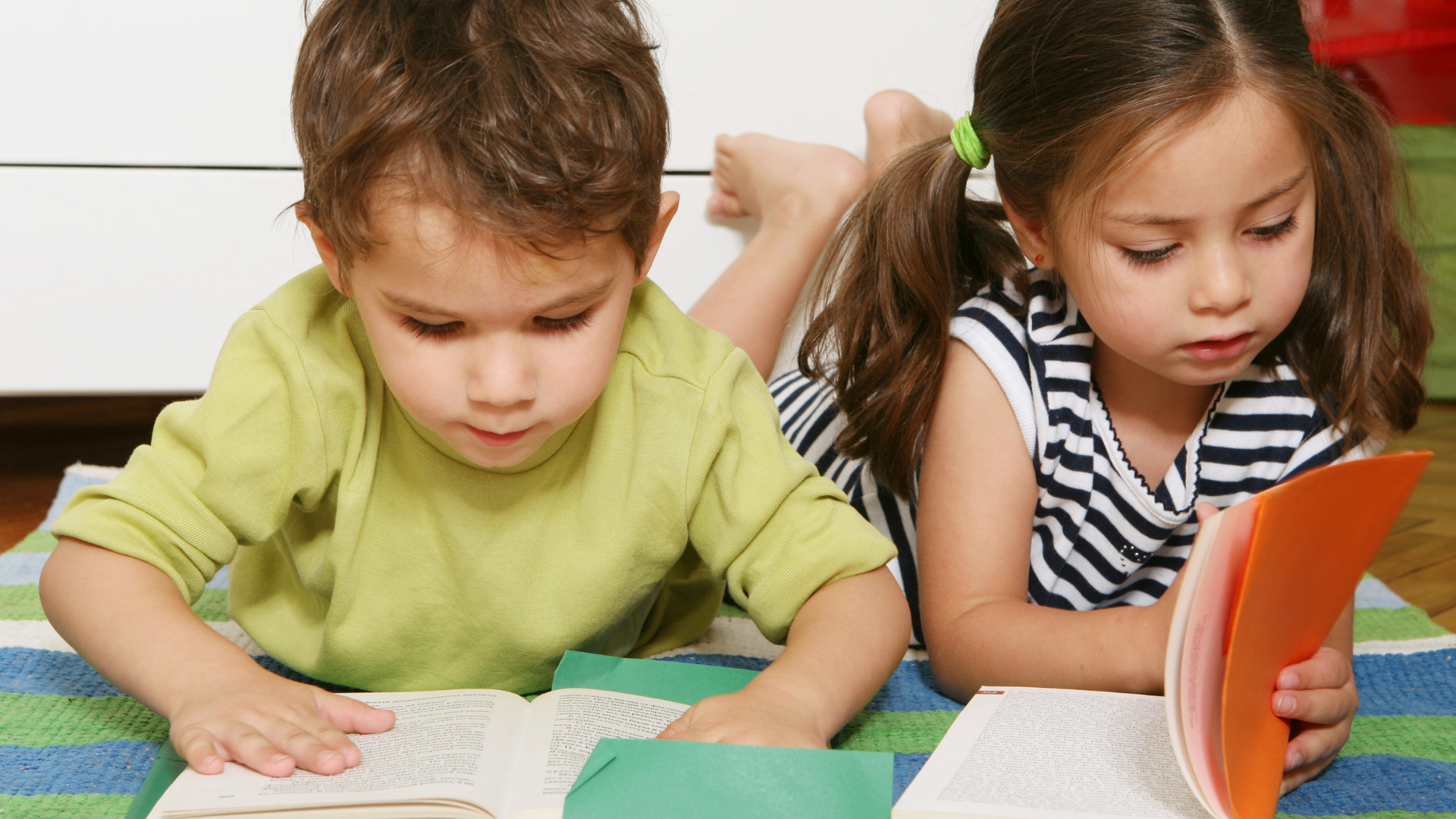
For the Little Ones: Make it Cozy and Routine
For toddlers and preschoolers, reading should be synonymous with love, warmth, and attention. Create a cozy reading nook with pillows and blankets. Make reading part of your daily rhythm—perhaps after lunch or right before bed. Let them see the pictures, turn the pages, and most importantly, let them see how much you enjoy this time together.
For the Elementary Years: Read Aloud Together
One of the biggest mistakes parents make is stopping read-aloud time once a child learns to read independently. A child's listening comprehension is much higher than their reading comprehension. By reading chapter books aloud to them, you introduce them to exciting, complex plots they couldn't read on their own yet. This proves to them that doing the hard work of learning to read is worth the reward.
For the Middle Grades: Give Them Choices
As children gain independence, they need autonomy over their reading. Provide a curated environment of wholesome, high-quality books, but let them choose what to pull off the shelf. If they want to read three books about horses in a row, let them! Capitalize on their current interests and passions.
For the Teens: Discuss, Don't Quiz
Teenagers crave respect and intellectual stimulation. Instead of quizzing them on reading comprehension like a test, invite them into a conversation. Ask them what they thought of a character's decision, or share a book you are reading and discuss the themes together. And yes—you can still read aloud to teenagers! Audiobooks in the car are a great way to share a story without making them feel babied.
For Every Age: Be a Reader Yourself
Children are great imitators. If they see you scrolling on your phone every evening, they will want to do the same. If they see you with a book in your hand, laughing at a funny passage or pausing to think about a profound quote, they will learn that reading is a valuable, joyful part of adult life.