The Benefits of Reading Classic Literature Instead of Modern Textbooks
The modern educational system relies heavily on textbooks. They are designed to be efficient, condensing vast amounts of information into bite-sized, testable paragraphs. But efficiency does not always equate to true education. For parents seeking a richer, deeper learning experience, classic literature offers profound benefits that modern textbooks simply cannot match.
Ideas vs. Information
Textbooks deal in information: dates, formulas, definitions, and timelines. Classic literature deals in ideas. While knowing the date of a historical battle is useful, reading a historical fiction classic about that era teaches the child why the battle happened, how the people felt, and the moral complexities of the time. Literature feeds the mind with ideas that prompt deep thought, whereas textbooks merely fill the mind with facts to be regurgitated.
Elevated Vocabulary and Syntax
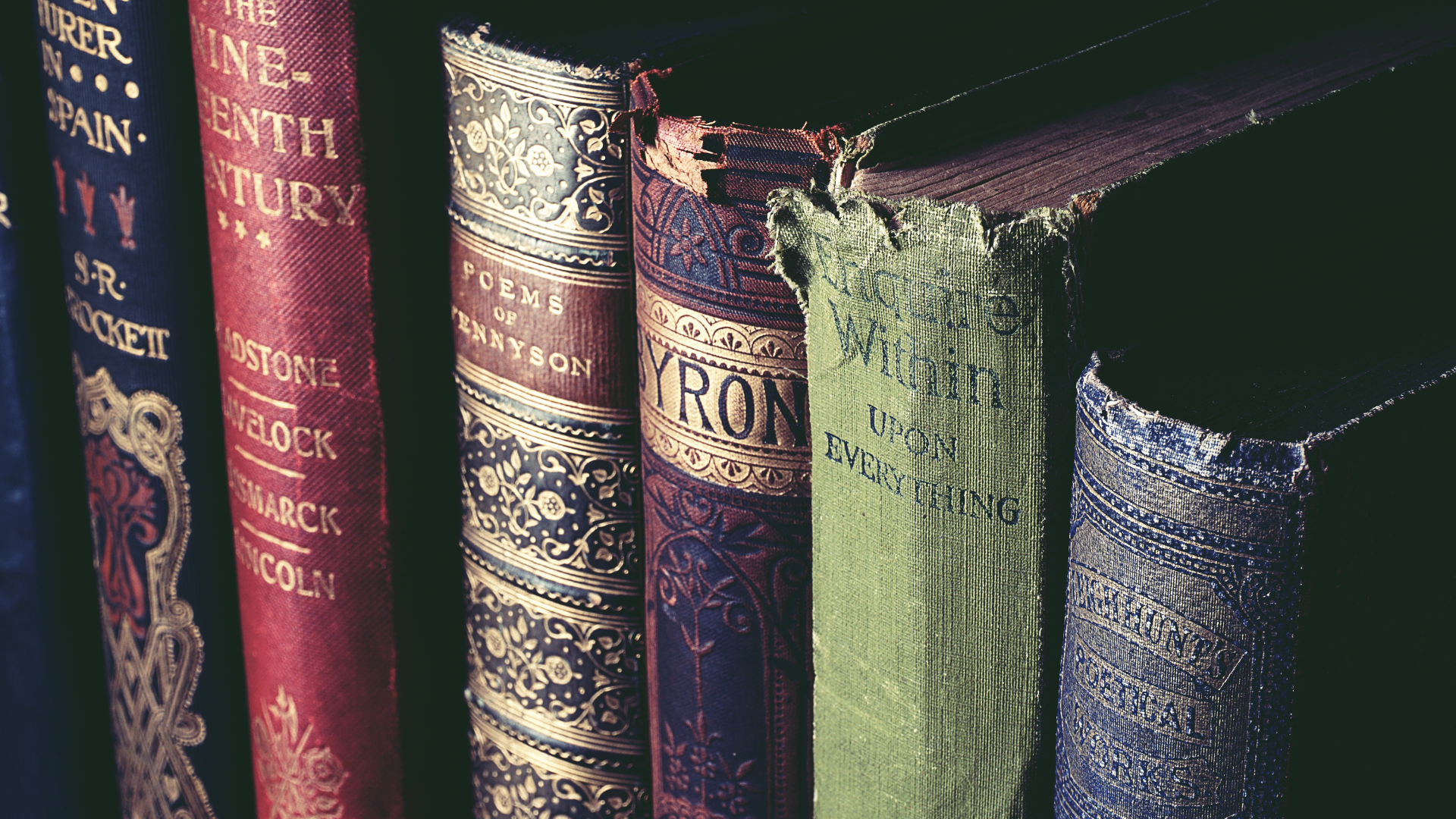
Modern textbooks are often written by committee and deliberately "dumbed down" to meet standardized reading levels. Classic literature was written by masters of the English language. When children read the classics, they are exposed to complex sentence structures, poetic devices, and a vast vocabulary. They naturally absorb good grammar and syntax, which directly improves their own writing and speaking skills.
Context and Connection
A textbook separates subjects into isolated boxes: history over here, science over there. Literature naturally intertwines them. When reading a classic nautical adventure, a child learns about history, geography, maritime science, and human psychology all at once. The brain learns best by making connections, and classic literature weaves a rich tapestry of context that makes learning stick.
Fostering a Genuine Love of Learning
Very few children have ever eagerly stayed up past their bedtime with a flashlight under the covers to read a social studies textbook. Textbooks turn learning into a chore. Great books turn learning into a joy.
By replacing dry textbooks with the vibrant, living pages of classic literature, you invite your child to step out of the classroom and into a world of lifelong discovery.